

A candle set can make an employee feel recognized, but there is no evidence here that gifting one improves retention on its own. If you want to know whether employee gifting improves retention in 2026, treat the gift as part of a consistent recognition practice and measure whether recipients actually value it. A candle is a poor choice for someone who avoids fragrance, however thoughtful the occasion.
- Does employee gifting improve retention? A candle set can express appreciation, but a retention effect is unproven.
- Choose a candle set for employees who welcome fragrance; offer an alternative for those who do not.
- Caftari gift sets fit a calming self-care ritual, not a promise that employees will stay.
- Judge the program through employee feedback and retention data, not gift delivery alone.
Why this matters
A gift is easy to send and easy to mistake for a result. Retention concerns an employee’s decision to remain with an employer; receiving a candle set tells you only that a gift was sent. The distinction matters when a team is deciding whether its 2026 recognition program deserves more attention or a different approach.
Timing also changes the meaning of a gift. A work anniversary gives a manager a specific contribution to acknowledge, while a generic shipment carries no such message by itself. For a practical look at that occasion, see sending a gift set on employee work anniversaries. The useful question is not whether the package arrived. It is whether the employee felt recognized without being expected to use something they dislike.
Does gifting a candle set improve employee retention?
No retention improvement can be attributed to a candle set without evidence from the employer’s own workforce. A set can support a recognition moment: someone chooses it, explains why the occasion matters, and gives the recipient room to enjoy it or decline it. None of those steps demonstrates that the recipient will stay longer.
The options below solve different problems. Choose the format around the employee rather than assuming one gift suits an entire team.
| Recognition option | Best for | Potential benefit | Limitation |
|---|---|---|---|
| Candle set | An employee who enjoys fragrance and a home-based ritual | A tangible reminder of a specific thank-you | Fragrance preferences vary; some recipients avoid scented products |
| Unscented gift | An employee who prefers not to receive fragrance | Acknowledgment without asking the recipient to use a scent | It may be less personal if the item has no connection to the employee |
| Written recognition | An employee whose contribution deserves a specific acknowledgment | Names the work and why it mattered | Words lose force when they are generic or inconsistent |
A candle set is an option, not the default answer to a retention problem. Written recognition should accompany a gift when the purpose is to thank someone for their work. An unscented alternative makes the gesture more considerate when scent is not welcome.
In 2026, separate the question Was the gift appreciated? from Did retention change? The first calls for employee feedback. The second calls for retention data and careful attention to other reasons people leave or stay. A favorable reaction to a candle answers neither question by itself.
What can the gift actually accomplish?
A gift can mark an occasion and make appreciation visible. A candle adds a possible quiet ritual outside work, but you cannot assume every employee wants that ritual or has a suitable place to use a candle. Ask what kinds of acknowledgment employees prefer before making scent the standard choice.
The accompanying message does more work than a generic claim about wellness. Name the contribution, keep the tone proportionate to the occasion, and avoid telling the recipient how they should feel. If the gesture is meant to recognize a colleague, it should read like recognition rather than a request for gratitude.
What can’t the gift establish?
A candle set cannot show that an employee feels supported at work, intends to remain, or would have left without the gift. It cannot substitute for listening when someone raises a workplace concern. A gift program that reports packages sent but never asks recipients what they thought measures distribution, not appreciation.
It also cannot validate a health claim. A fragrance designed for a calming ritual is not evidence that an employee experienced less stress, slept better, or became more likely to stay. Keep those claims out of the recognition message.
Why the answer varies
The effect of a gift on someone’s experience depends on factors a shipment record cannot capture:
- Personal preference. Some employees enjoy scented candles; others avoid fragrance. Give the recipient a choice when you can.
- The occasion. An anniversary gift can acknowledge continued work. A gift with no clear reason is harder to connect to a specific contribution.
- The message. A note naming the work recognized is more specific than a standard thank-you sent to everyone.
- Consistency. Decide which occasions qualify so recognition does not depend entirely on which manager remembers to send a gift.
- Follow-up. Ask whether the recipient welcomed the format. Do not treat silence as approval.
- The workplace context. A gift does not answer concerns the employee has already raised about their work.
These factors explain why a single retention claim would be misleading. They also give you a practical checklist: check preferences, define the occasion, write the message, and ask for feedback. If those steps are missing, changing the gift set will not fix the process.
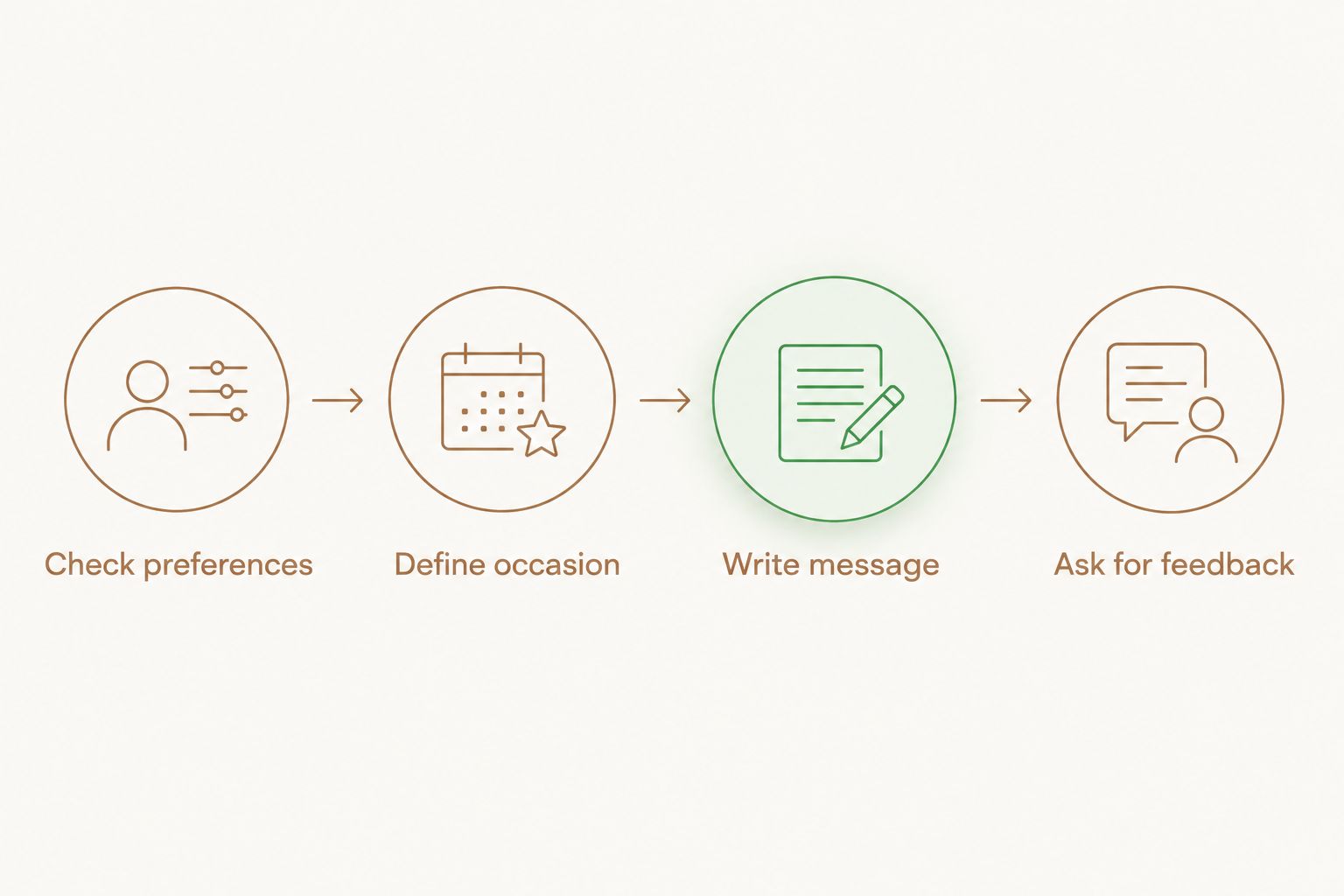
How should you choose a candle set for employee recognition?
Start with permission, not scent. An employee who opts out of fragrance should have another way to receive the same acknowledgment. For employees who welcome a candle, choose a set that fits the occasion and keep the note focused on their work, not an assumed wellness outcome.
Use this sequence for a 2026 gifting decision:
- Define the occasion. State whether you are marking an anniversary, a welcome, or a specific contribution. Avoid sending a gift without a clear reason.
- Check preferences discreetly. Give employees a way to decline fragrance without explaining a personal or medical reason.
- Select the format. Choose a candle set for someone who welcomes it, and keep an unscented recognition option available.
- Write the acknowledgment. Describe the contribution you are recognizing. Do not imply that using the candle will change the recipient’s health or performance.
- Ask about the experience. Check whether the format felt appropriate before repeating it across the team.
- Evaluate retention separately. Review retention data alongside employee feedback, without claiming the gift caused any change you observe.
Caftari is best for a fragrance-welcoming recipient who would appreciate a clean, non-toxic candle gift set as part of a calming ritual. The Caftari Signature Gift Set is one gift-set option to consider after confirming that scent is welcome. Its advantage is a tangible self-care gift; its limitation is the same as any scented gift: it will not suit every employee or establish a retention benefit.
A ready-made set makes the gift format clear, but do not let packaging replace the acknowledgment. If you are considering custom corporate branding or packaging, decide first whether a prominent company message would feel like thanks or promotion to the recipient. The employee’s experience is the test, not the amount of branding on the gift.
Consider a gift set
View the set after checking whether your recipient welcomes fragrance.
How do you tell whether gifting helped?
Track appreciation and retention as separate outcomes. For appreciation, ask recipients whether the gift and message suited the occasion, and make it easy to request a different format next time. For retention, use the employer’s existing employee and departure records. A positive comment about a gift is useful feedback, not proof of a change in retention.
Before a 2026 program begins, record what you intend it to accomplish. If the aim is recognition, ask whether employees felt recognized. If the aim is retention, record the retention measure you will examine and the period it covers. Do not redefine success after gifts are delivered.
Even a change in retention after a gifting program begins does not, by itself, show that the gifts caused it. Employees make decisions in the context of their work and their circumstances. Describe the observed result accurately, then investigate it rather than assigning credit to the candle.
For a small team, feedback can be direct: ask whether the occasion, message, and gift format felt appropriate. Make clear that declining a scented item is acceptable. For a larger program, use the same questions consistently so you can identify a recurring preference instead of relying on the loudest reaction.
Does employee gifting improve retention by itself?
No retention improvement from gifting alone is established here. In 2026, use gifts to recognize people, then evaluate retention separately rather than treating delivery as evidence that employees will stay.
Is a candle set better than written recognition?
No universal winner is established here. A candle set gives an employee a tangible gift if they welcome fragrance; a specific written acknowledgment tells them which contribution you value. When you give both, the message should explain the occasion and the candle should remain optional.
Should every employee receive the same scented gift?
No; fragrance preferences vary. A common recognition policy can still offer a choice of gift formats, so employees who avoid scented products receive an acknowledgment that fits them.
FAQ
Does employee gifting improve retention?
A retention improvement from employee gifting is not established here. Use gifts to recognize specific contributions and assess any retention change with separate employee data.
Can a candle set make employees feel appreciated?
A candle set can communicate appreciation to an employee who welcomes fragrance. Pair it with a specific acknowledgment and ask whether the format felt appropriate.
Is a scented candle a good gift for every employee?
No; not every employee wants a scented product. Offer a way to choose a different form of recognition without asking for a personal explanation.
What should you write with an employee candle gift?
Name the occasion and the contribution you are recognizing. Avoid claims that the candle will improve health, sleep, work performance, or retention.
How do you measure whether an employee gift program works?
Measure recipients’ experience and employee retention separately. Gift delivery and positive feedback do not, on their own, establish a retention effect.
Are clean, non-toxic candles a substitute for workplace support?
No; a candle cannot address a concern an employee has raised about work. A clean, non-toxic candle gift can be part of a calming ritual for someone who wants one, not a replacement for listening.
One last thing
The most useful 2026 recognition decision might happen before anyone chooses a gift: ask employees whether they want scented products at all. That question protects the purpose of the gesture. Choose the recipient’s preferred form of appreciation first; choose the candle set second.


